
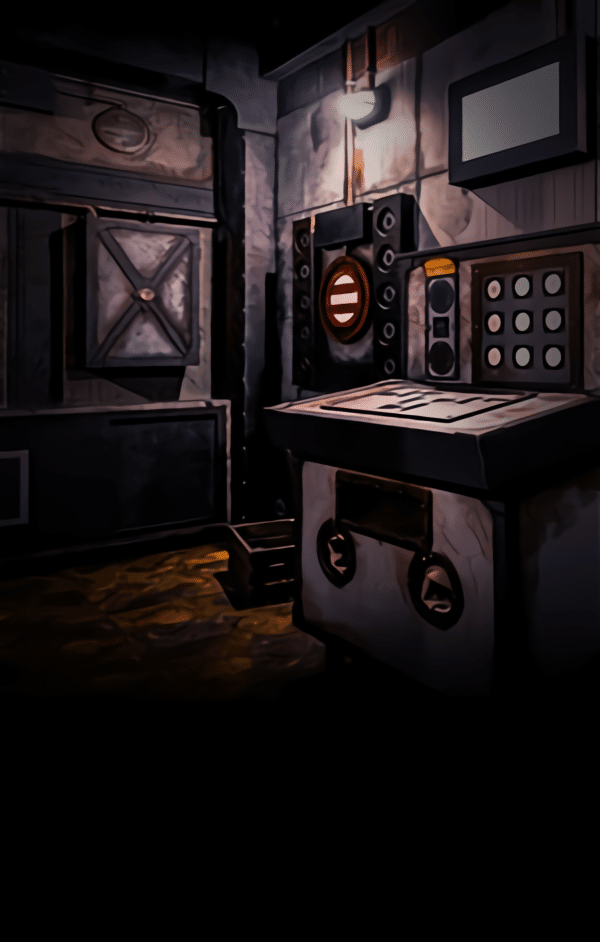





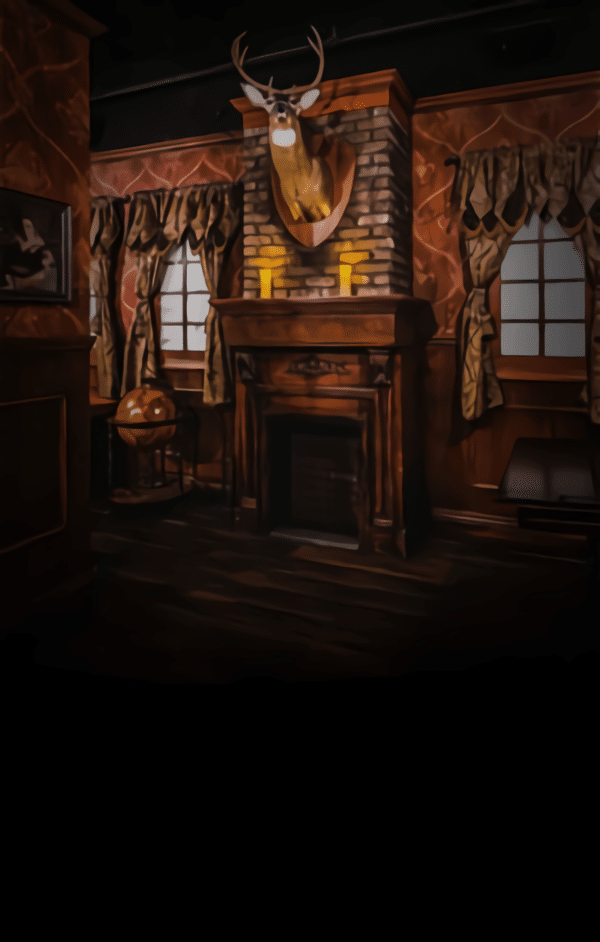

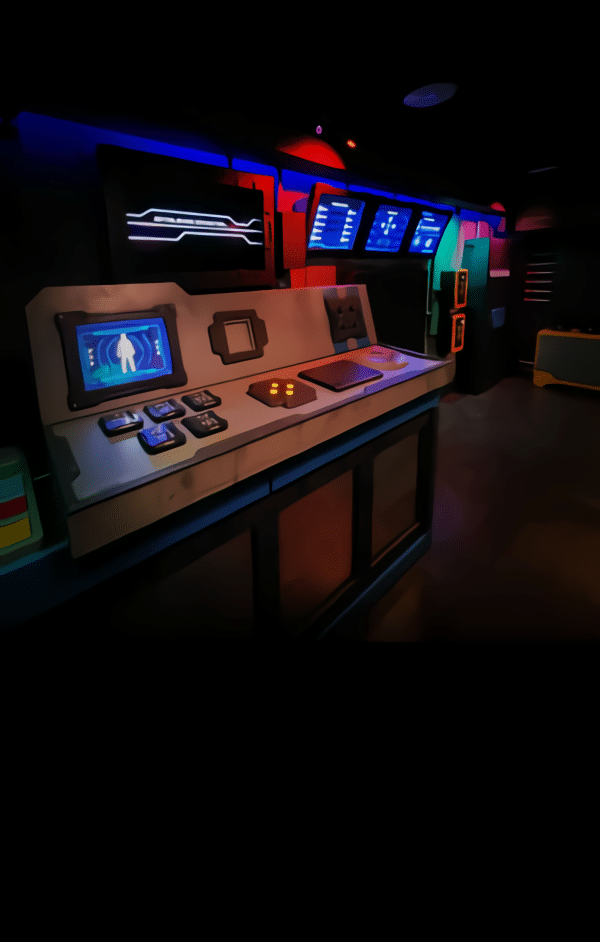

Escape rooms have become a popular form of interactive entertainment, attracting players from all walks of life. In a bustling city like New York, a New York escape room offers immersive challenges that test problem-solving skills, teamwork, and creativity. But a common question for many potential visitors is: Are these experiences accessible for people with disabilities?
Accessibility in escape rooms is not just about physical entry. It encompasses the ability to participate fully, engage with the puzzles, and enjoy the storyline without unnecessary barriers. Many New York escape rooms, including Mission Escape Games, have adopted inclusive design practices to ensure that everyone, regardless of ability, can enjoy the thrill of escaping a room.
Physical Accessibility in New York Escape Rooms
Entrance and Facility Design
One of the first considerations for accessibility is the physical environment:
-
Wheelchair Accessibility: Many escape rooms are designed with ramps, elevators, and wide doorways to accommodate wheelchairs.
-
Accessible Restrooms: Ensuring restrooms comply with ADA standards helps guests with mobility challenges feel comfortable.
-
Seating and Space: Rooms are often designed with sufficient space to allow participants to move freely and interact with puzzles without obstruction.
Adaptive Equipment
Some escape rooms provide tools to assist guests with physical limitations:
-
Adjustable-height tables for puzzle interactions
-
Large-print or tactile clues for easier handling
-
Lightweight props that are easier to manipulate
Safety Considerations
Safety is paramount. Accessible rooms include clear exit pathways, emergency communication systems, and staff trained to assist participants with disabilities if needed.
Cognitive and Sensory Accessibility
Visual Impairments
Escape rooms often incorporate:
-
High-contrast graphics for visual clarity
-
Audio clues or narrated instructions
-
Tactile puzzles that can be felt rather than seen
Hearing Impairments
Rooms may feature:
-
Written instructions and visual signals for key events
-
Subtitles for any video or audio content
-
Vibrating or light-based cues for time limits or alerts
Cognitive Accessibility
For participants with learning differences or cognitive challenges:
-
Puzzles may offer multiple levels of hints
-
Staff can provide guided assistance
-
Challenges designed to encourage teamwork and communication rather than relying solely on individual problem-solving
Staff Training and Support
Understanding Diverse Needs
Staff at accessible New York escape rooms are trained to:
-
Recognize individual accessibility requirements
-
Offer alternative methods to engage with puzzles
-
Adapt rules or provide guidance without compromising the game experience
Inclusive Customer Service
Prior communication helps ensure an enjoyable experience. Guests are encouraged to share their accessibility needs when booking so the staff can prepare accommodations in advance.
Puzzle Adaptations for Accessibility
Alternative Formats
Many puzzles can be adapted without changing the challenge:
-
Physical locks may be replaced with touch-sensitive buttons
-
Visual codes can be conveyed via sound cues
-
Complex sequences can include simplified options for those who need them
Collaborative Approach
Accessibility is also enhanced by teamwork. Players can divide tasks, allowing participants with disabilities to contribute in ways that suit their strengths, such as:
-
Providing strategic insight
-
Solving riddles or logical puzzles
-
Manipulating props that are within reach
Technology Integration
Modern escape rooms use technology to increase accessibility:
-
Tablets or touchscreens with large icons
-
Motion sensors that respond to simple gestures
-
Audio narrations that explain puzzle instructions
Inclusive Themes and Storylines
Escape rooms are not just about solving puzzles—they are immersive narratives. Inclusive rooms focus on:
-
Ensuring that story elements are accessible through multiple formats
-
Avoiding scenarios that require extreme physical exertion or dexterity
-
Designing challenges that emphasize creativity, logic, and communication over physical skill alone
Examples of Accessible Rooms at Mission Escape Games
Mystery or Detective Themes
These rooms emphasize observation, logic, and teamwork, requiring minimal physical movement but high cognitive engagement.
Sci-Fi or Fantasy Rooms
Futuristic puzzles often incorporate interactive panels, sound cues, and collaborative problem-solving that accommodate participants with various abilities.
Historical Adventures
These rooms may include tactile clues, written instructions, and staff-assisted challenges to make the storyline accessible to all players.
Tips for Planning an Accessible Escape Room Visit
-
Communicate Ahead: Inform the escape room staff of any disabilities or special requirements when booking.
-
Ask About Room Layouts: Confirm whether the room has ramps, wide doorways, and other accessibility features.
-
Consider Team Composition: Include teammates who can complement each other’s strengths and abilities.
-
Request Alternative Puzzle Formats: Ask if visual, audio, or tactile alternatives are available.
-
Plan Extra Time: Allow a flexible schedule for exploring puzzles and accommodations.
Challenges and Opportunities
Potential Barriers
Despite advancements, some rooms may still present challenges:
-
Rooms with narrow hallways or stairs
-
Puzzles requiring fine motor skills
-
Timed challenges that may pressure participants with slower response times
Opportunities for Improvement
New York escape rooms continue to innovate:
-
Universal design principles are increasingly applied
-
Technology enables more flexible puzzle interactions
-
Staff training focuses on enhancing inclusivity and engagement
Conclusion: Making Escape Rooms Accessible for Everyone
A New York escape room can be a fully accessible and enjoyable experience for people with disabilities when thoughtful design, adaptive tools, and trained staff are in place. By addressing physical, sensory, and cognitive needs, escape rooms ensure that everyone can participate in immersive storytelling, problem-solving, and collaborative fun.
Mission Escape Games exemplifies this approach by offering inclusive room designs, adaptable puzzles, and supportive staff, making it possible for individuals of all abilities to enjoy the excitement and challenge of escaping a themed room. Accessibility does not diminish the fun—it enhances it by creating an environment where every participant can shine.
Frequently Asked Questions (FAQs)
1. Are all New York escape rooms wheelchair accessible?
Not all, but many, including Mission Escape Games, offer wheelchair-accessible entrances, rooms, and restrooms. Always confirm accessibility features when booking.
2. Can visually impaired players enjoy escape rooms?
Yes. Rooms may offer tactile clues, audio instructions, and staff assistance to make puzzles navigable without full reliance on sight.
3. How do escape rooms accommodate hearing-impaired participants?
Visual cues, written instructions, and optional staff guidance ensure that participants with hearing challenges can engage with the puzzles and storyline effectively.
4. Are puzzles adapted for cognitive disabilities?
Many puzzles provide layered hints, alternative methods, and team collaboration opportunities to accommodate diverse cognitive abilities.
5. How can I ensure an accessible experience before visiting?
Communicate your needs when booking, inquire about room layouts, accessibility features, and alternative puzzle formats, and consider forming a team that supports various abilities.
Read: How Are New York Escape Room Puzzles Designed to Challenge Players?
Read: Can You Solve an Entire New York Escape Room Without Clues?