
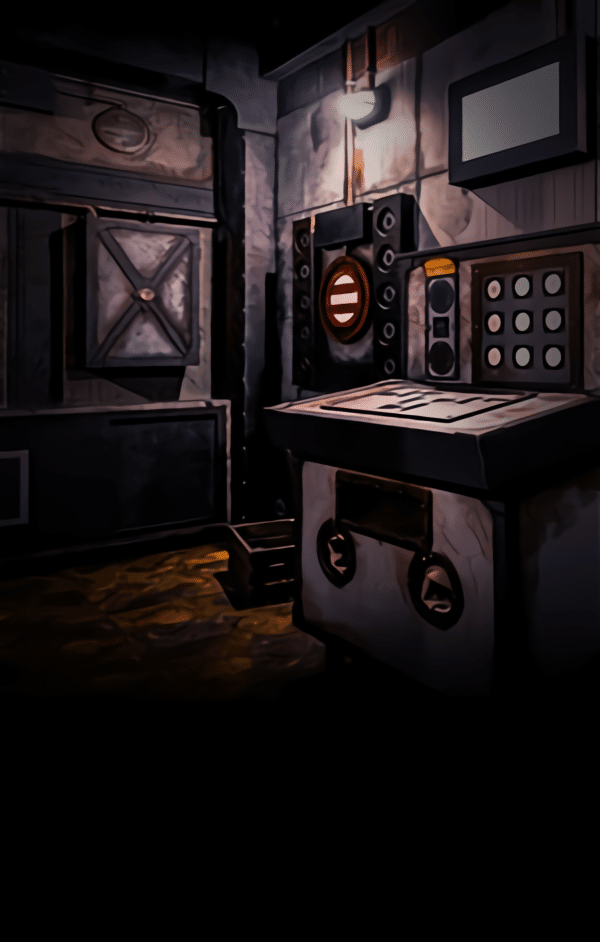









Understand the Nature of an Escape Room Manhattan Experience
Preparing for an escape room Manhattan challenge means familiarizing yourself with what you’re walking into. Escape rooms are immersive, story-driven problem-solving adventures set within themed environments. Whether you’re facing a post-apocalyptic storyline like End of Days A or B, lurking through the shadows of Hydeout, or navigating futuristic missions like Carbon: 3708, the goal is the same: work together, interpret clues, crack puzzles, open locks, and complete your mission within the set time limit—usually around an hour.
A helpful way to prepare is to know the general rhythm of the game. Challenges typically begin with a short briefing from your game master, who will outline safety rules, the storyline, and the nature of the puzzles. After that, the door closes and the countdown begins. This timer creates excitement, but you can eliminate early stress by understanding that completion is not just about speed—it’s about teamwork, communication, and pattern recognition.
Another core part of preparation is adjusting your mindset. Think of the experience like stepping into a movie or interactive theatre. You don’t need prior expertise, special knowledge, or any kind of physical strength. Everything you need is inside the room. Stay curious, stay observant, and approach the adventure as a fun, collaborative experience instead of a test. This prepares your brain for creative thinking, which is essential for success.
Choose the Right Team for the Escape Room Manhattan Challenge
A key part of preparing for any mission is selecting the right group—and that applies even more inside an escape room. The dynamics of your team heavily influence your success. A group that communicates well, listens actively, and shares ideas freely is going to perform much better than one where individuals compete or dominate conversations.
Your ideal team includes people with different strengths. Some participants excel in spotting visual patterns or decoding languages, while others are strong at solving logic sequences or handling mechanical puzzles. Escape rooms offer multiple types of challenges, and blending different thinking styles improves your chances.
Before booking, think about how many people you’re bringing. Too few participants means more pressure on each person; too many can crowd the room or make it hard to share information. Mission Escape Games – NYC offers rooms that support a wide range of group sizes, so you can choose the right fit for friends, families, coworkers, or couples. Preparing your group ahead of time ensures everyone knows the goal, the time limit, and the need for collaboration.
To further prepare your team, you can set simple expectations: stay positive, support each other, be patient, and keep the energy high. Encouraging these habits beforehand helps avoid frustration or miscommunication once the game begins.
Dress Comfortably and Practically Before Your Escape Room Manhattan Visit
Preparation includes choosing the right outfit. Escape room challenges aren’t physically demanding, but they do require movement—walking, bending, reaching, and navigating themed environments. Comfortable clothing helps you stay focused on solving puzzles instead of worrying about tight shoes or restrictive outfits.
Sneakers or flat shoes are ideal, especially for fast-paced rooms where you may move repeatedly between clues. Some escape room environments may involve dim lighting, narrow spaces, or thematic sets that simulate abandoned rooms, labs, cabins, or detective offices. Dressing practically ensures you can move naturally through the space.
Temperature is another consideration. Most escape room venues keep their rooms cool due to equipment, lighting, and the physical activity of players. A light jacket or breathable layers can help you stay comfortable throughout your mission.
Also consider avoiding accessories that could become distracting—large bags, dangling jewelry, or bulky hats complicate movements inside rooms where space may be limited. Planning your wardrobe ahead of time eliminates unnecessary distractions and keeps the focus on solving puzzles.
Strengthen Your Team’s Communication Skills Before the Experience
Escape rooms rely heavily on communication. Preparing for the challenge includes sharpening the way your team speaks, listens, and shares observations. You don’t need to rehearse or strategize beforehand, but simple reminders like “call out every clue you find” can make a massive difference.
Most puzzles in escape rooms are not meant to be solved alone. One person finds a symbol; another finds a matching lock; a third notices a pattern that links both. When team members communicate clearly, puzzle connections happen faster and more naturally.
Consider dividing roles organically during the game, even if you don’t assign them ahead of time:
-
A “navigator” who keeps track of clues already used
-
A “search specialist” who checks drawers, shelves, and hidden corners
-
A “decoder” who loves patterns, numbers, and sequences
-
A “connector” who organizes the team’s progress and helps link ideas
You don’t need rigid roles—but understanding how communication boosts success helps your team prepare mentally. Even if you’re playing with people who have never done an escape room before, reminding them to share discoveries out loud will elevate the whole experience.
Familiarize Yourself With Puzzle Styles Found in Escape Rooms
Another great way to prepare is by understanding the types of puzzles commonly found in themed rooms. While each game at Mission Escape Games – NYC features unique challenges, puzzle categories often include:
-
Logic sequences
-
Word or number codes
-
Visual matching
-
Symbol decoding
-
Hidden objects
-
Mechanical puzzles
-
Pattern recognition
Becoming mentally aware of these puzzle types gives you a small but meaningful advantage. You don’t need to practice puzzle solving, but thinking about these categories allows you to approach each new clue with structure instead of guessing randomly.
Here’s an example:
If you find a note with a sequence like 3, 6, 9, ?, your brain immediately understands it as a simple pattern puzzle. If you discover scattered pictures forming a larger image when arranged correctly, you recognize a visual puzzle. This familiarity helps reduce hesitation and encourages quicker decisions.
Preparing in this way ensures you feel ready to adapt to the room’s storyline while approaching puzzles with confidence.
Learn to Manage Time Effectively During the Escape Room Manhattan Game
Time is your most valuable resource inside an escape room. Preparing to manage it means learning to work efficiently without panicking. With around sixty minutes on the clock, you can’t afford to hyper-focus on one puzzle for too long, nor can you rush through clues without coordinating with your team.
Good time management habits include:
-
Calling for hints when needed instead of stalling
-
Delegating tasks so one puzzle doesn’t bottleneck the team
-
Keeping used clues in designated spots
-
Tracking what still needs to be solved
A simple mental rule can help: if your team spends more than five minutes stuck with no progress, consider shifting your focus or asking for a gentle hint. Preparing mentally for this decision prevents frustration inside the room.
Escape rooms reward smart resource usage, not brute force. Managing your time well keeps the game fun and exciting instead of stressful.
Conclusion
Preparing for an escape room Manhattan challenge isn’t about studying or training—it’s about setting yourself and your team up for a smooth, enjoyable, and collaborative adventure. Comfortable clothing, basic puzzle awareness, communication habits, time management, and team selection all contribute to success. With a bit of mental preparation and the willingness to work together, your group can fully enjoy the immersive themes, thrilling puzzles, and unforgettable moments that await you in New York City’s premier escape room experiences.
Frequently Asked Questions
Q: How do you prepare for an escape room Manhattan challenge?
A: Preparation includes choosing the right team, wearing comfortable clothing, practicing good communication habits, familiarizing yourself with common puzzle types, and managing time effectively once inside the room.
Q: Do I need previous escape room experience to participate?
A: Not at all. Escape rooms are designed for players of all experience levels, and everything you need to solve is already inside the room.
Q: How early should I arrive for my scheduled escape room?
A: Arriving 10–15 minutes before your game time helps with check-in, briefing, and settling in before the mission starts.
Q: Are the puzzles inside escape rooms physically demanding?
A: The puzzles focus on mental skills like logic, observation, and teamwork. Physical activity is minimal and generally accessible for most participants.
Q: Can I play with a small or large group?
A: Yes. Rooms accommodate a range of group sizes, and choosing the right number of players helps balance puzzle solving and teamwork.